

“The Only Thing That Is Constant Is Change.”
~Heraclitus
Change is the only absolute in life. It is occurring every moment and everything is subject to change. Our lives, the communities and societies we live in and the organizations we work for are all affected by waves of change. Some are gradual, while others are abrupt. Some are of our own making, while others are beyond our control. The effects of technology and globalization involve changes of unknown scale and complexity. All of these changes generate stress. Coping with this stress has always been a fundamental issue for human survival and evolution. We are constantly presented with the choice to either move with change or become a victim of it.

The Difference Between Change and Transition
The words change and transition are often used interchangeably. In truth, they are intrinsically linked, but have very separate and different meanings.
Change is external. It is an alteration in the external situation or circumstances, a one-time occurrence. It can be significant, such as the death of a loved one, changing jobs or living arrangements. Oftentimes, it can happen fast such as the creation of a new management team, downsizing, or a merger or acquisition.
Transition on the other hand, is internal. It is the ongoing, inner psychological process of accepting and working through the change. Transition is most often a slower process of letting go of how things were and embracing how they have become. When we experience major transitions, we need to let go of elements of the past before we can fully accept our new reality. While transition is a natural and necessary human process, it can be painful and some may choose to deny and avoid it. However, when these feelings aren’t processed and expressed, they may become internalized and reappear as denial, anger or fear. The net result is resistance which slows down or even stops the desired change.
Change can be self-imposed or imposed upon us. Buying a new home is usually a change we impose upon ourselves. Moving into the new home is the change. Learning to let go of the way things were is the transition; dealing with a new route to work, missing our old neighbors and learning to sleep in a new environment. Until we have completely accepted the new and fully let go of the old, we are in transition. The death of a loved one is an example of a change that is imposed upon us. We may become upset, confused and feel powerless to accept the change thrust upon us. We may not be able to move forward because we cannot let go of the past. As we come to accept that the old is no more and that we must embrace the new, we are in transition.

Sometimes transitions are not created by change (or at least not by change we can identify), but by an internal shift in our being. A shift that tells us something is different in the way we feel about certain people, places or things. Sometimes transitions precede change. When we decide to look for a new job, we don’t just wake up one morning and make the change. Rather, it is usually an idea that unfolds over time. We may have been unhappy in our job for some time, wanting more responsibility, a higher salary, a new boss or a new career path. Once we have firmly established the idea, we are ready to make the change.
We are constantly living in transition and the only constant in life is change. It is important to honor this energy and support it. Transition periods can be incredibly productive and fulfilling periods of our lives, if we remain present with our thoughts and feelings and let them go.
“The art of life lies in a constant readjustment to our surroundings.”
~Kakuzō Okakura
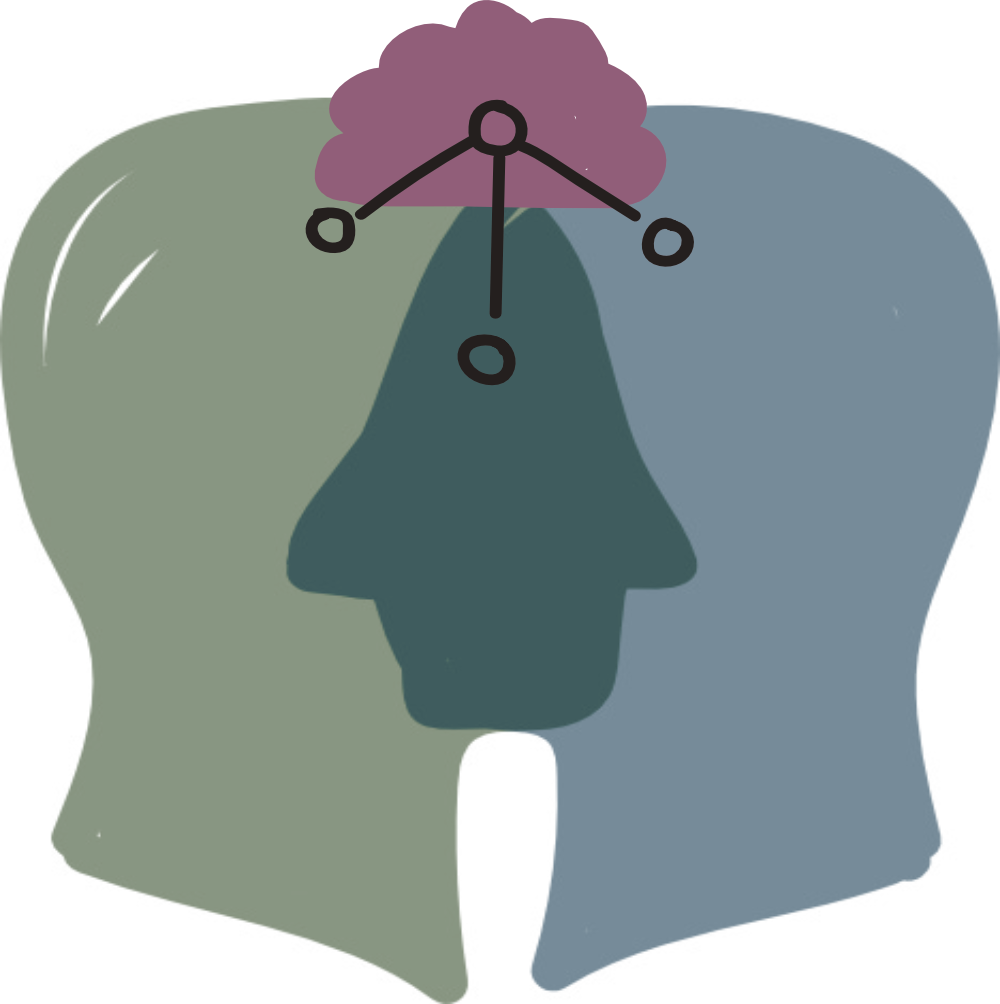
Change is often the most necessary and most challenging aspect of being a leader. A leader must quickly assess and appropriately adapt to new challenges. This can be difficult because your team is constantly growing and changing, and even the smallest change can deeply affect your team.
Cognitive empathy involves perceiving and understanding the emotions of another. An effective leader can accurately anticipate how someone will react emotionally and behaviorally in a given set of circumstances and develop an approach that will work best for that individual.
Often, when employees see consultants come marching through the doors, they view them with an equal mix of curiosity, fear and disdain. This is because consultants herald change and the natural reaction is resistance. When circumstances shift away from the familiar and force us into the unknown, our reactions are both psychological and physiological. We feel stress, anxiety and uncertainty, which manifest as resistance.
Rather than simply addressing the symptoms of resistance (complaining, withdrawal, etc), an effort should be made to understand the root cause. When this is discovered, one can truly empathize and help individuals move along the path to change, in a way that engages them.
To effectively lead people through a transition process, it is critical to be aware of where you and others are in the transition process. People experience transition differently because of their personal experience with past changes, how they are affected by the current change and where they lie in the levels of an organization.
In addition, it is vital to honestly and openly communicate all aspects of the change. Presenting a clear plan helps people understand how they can actively participate in helping achieve the desired results. Moreover, when people feel they can safely voice their opinions, perceptions, questions and concerns with leaders who listen and openly accept and value their feedback, this engenders a collaborative approach to problem solving. Providing this support will promote resiliency and creativity in the rapidly changing environment.
“The curious paradox is that when I accept myself just as I am, then I can change.”
~Carl Rogers
Acceptance is the first step towards change. When we accept what is, meaningful and lasting change can take place. Acceptance is a deep, receptive and honest process that requires we accept something completely, without judgment. It is about clearly and compassionately acknowledging what is, right now.
There are certain things in life that cannot be changed, and some that can be- often only with sustained effort. This recognition is reflected in the Serenity Prayer of Alcoholics Anonymous: “God grant me the serenity to accept the things I cannot change; the courage to change the things I can; and the wisdom to know the difference.”
Acceptance involves reminding ourselves that whatever is happening now is the result of a very long chain of events. Everything that has happened in the past has worked together to bring us to this present moment. No “one” decision created our present reality. There is a balance between the choices we have made and the choices others have made in creating the present reality. While some situations in life are wrong or unjust, many more situations require us to take responsibility for the role we have played. With recognition and acceptance of the power that we have in creating our present realities, may come a sense of guilt or shame over having made poor decisions in the past. If we deny the role we have played, we are missing a valuable opportunity to learn important lessons.
When we operate from a stance of acceptance and mindfulness, we are able to respond to situations in new ways and free ourselves from old patterns. Once we begin to accept ourselves exactly as we are in the present moment, we open ourselves to change and to honestly looking at what needs to change. This concept seems paradoxical in nature, which is perhaps why there is a tendency to resist, hold on and fight back when we sense that we need to change.
Furthermore, when we accept things as they are, we become aware of reality. When you reach this point of acceptance, you stop resisting what is happening and decide to change it. Only when we come to a place of accepting our current reality, can transformation begin.
Acceptance and Resignation
To accept something is to gracefully and respectfully solve, improve, adapt and see the bright side of a situation. It is truly understanding things as they are.
When we accept a situation, we choose to take an active role in it. When we resign to a situation, we passively withstand the suffering it brings.
Denial
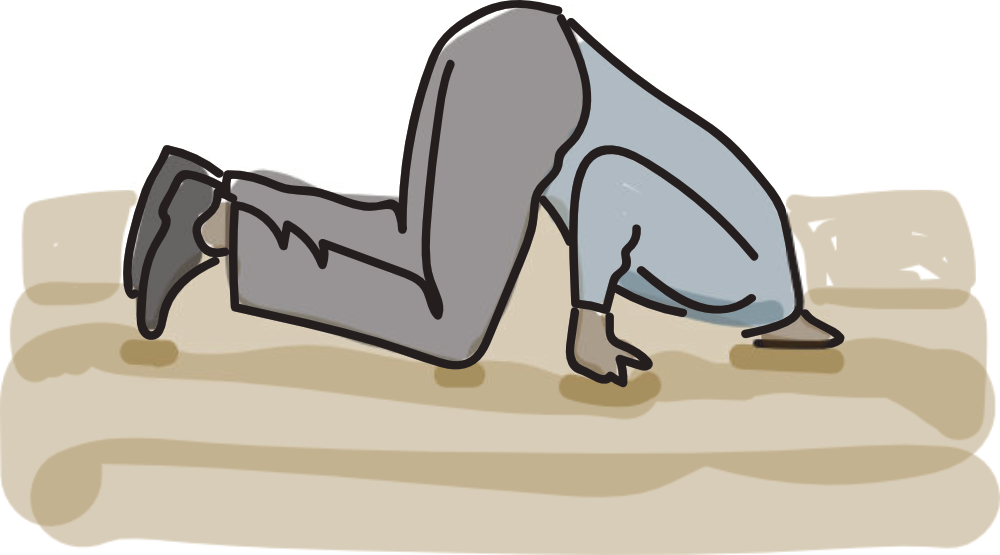
The more we resist and deny reality, the longer we remain stuck. We must take an honest look at how the choices we have made have brought us to where we are right now. Honest self-reflection can be intimidating, but it is also immensely freeing. When we know the truth, we are able to accept what is and make a decision about what we would like to change.
We only repeat mistakes when we close our eyes, saturated in denial and guilt. We must make a conscious decision to open our eyes to what is and accept it completely. Every present moment is a new opportunity to be fully aware of what is. We have the choice to embrace acceptance or stay in denial.
Change often incites resistance, resignation and denial. By practicing empathy for ourselves and others and acceptance of ourselves and others, we can authentically embrace change and ultimately transform ourselves.
In Part II, we will discuss embracing change and driving change.
Questions for Self-Exploration
The content, structure and flow of this exercise are designed to guide you in: