

“It is painful to watch children trying to show off for parents who are engrossed in their cell phones. Children are nostalgic for the 'good old days' when parents used to read to them without the cell phone by their side or watch football games or movies without having the cellphone handy.”
—Sherry Turkle, Author
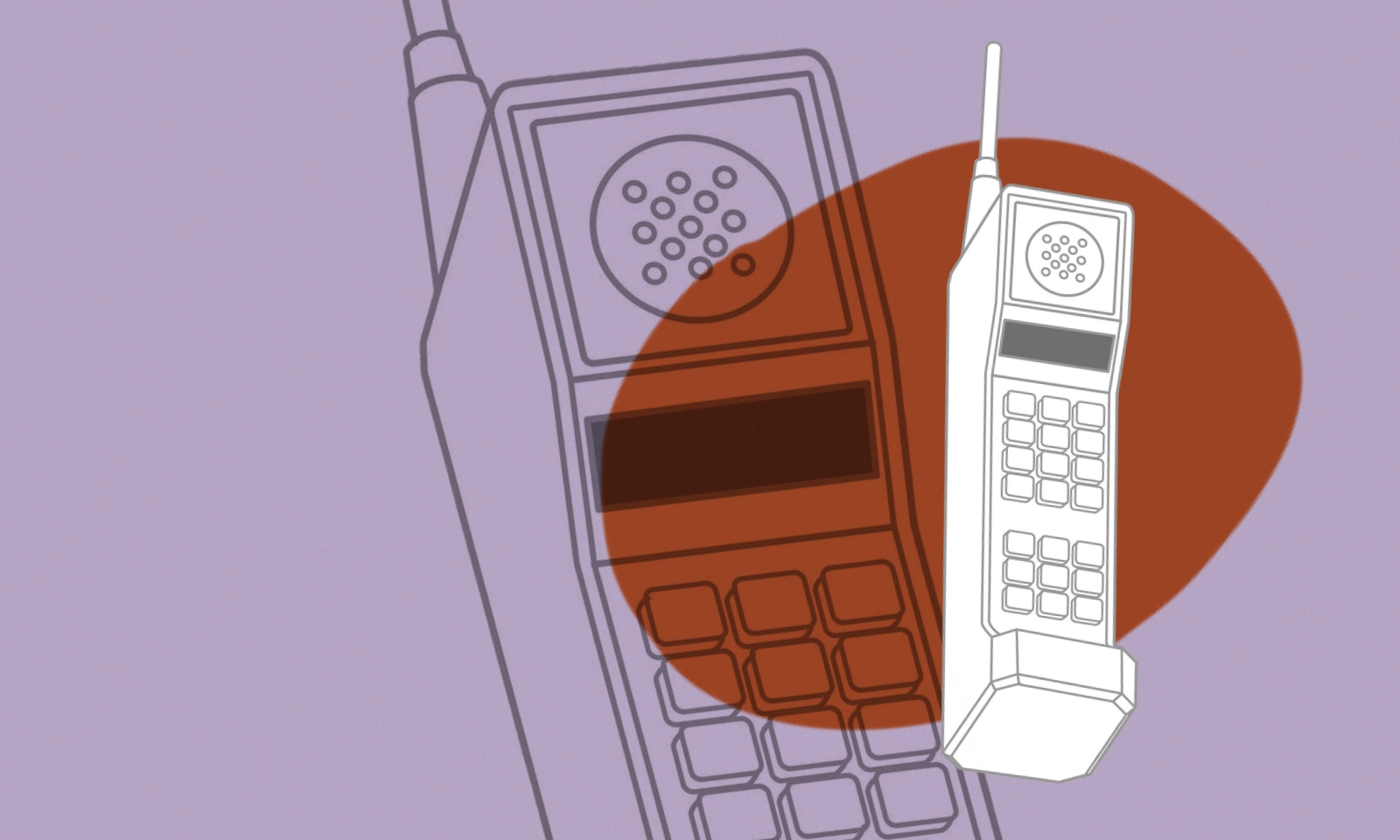
VIM Executive Coaching remembers when big-time executives lugged around cell phones that looked like bricks and had batteries that lasted 20-minutes before a recharge. It was mostly hubris. In the beginning, those who were seen as the “doers and shakers,” those into status and executive theater, showed off the devices as one would show off a new Maserati or an expensive leather briefcase.
Over time, with the necessities of technology and a pandemic later, it is rare to find anyone in the executive ranks who does not have a cell phone. With the literal explosion of technology (new applications occurring on a daily basis), many executive leaders have become convinced that there is virtually no workplace-related problem that can’t be solved by consulting one of millions of apps provided for the purpose they seek.
We are the last career coaches to dismiss the merits of technology. However, just as we remember those brick-shaped devices, flip phones and other contraptions, we also remember (like the above quote) when executives talked, when they perceived and weighed and measured, when they saw the benefits of authentic interaction. Much of the real has been replaced by the fake, and therein lies huge problems.
There is NO App for That
A few years ago, the Stanford Graduate School of Business reported on the topic of communication.
Professor Francis Flynn noted that among (subordinate) executives, “Complaints about higher-level managers’ communication are common, and often harsh. More than just about any other leadership skill, people are fiercely criticized for poor communication; the higher up you get, the more brutal that criticism becomes.”
It is somewhat amusing to parallel the example of children trying to get parental attention while parents are focused on cell phones, with executives attempting to make authentic communication with teammates and higher ups.
In a paper by Flynn and Lide (a Stanford Ph.D. candidate), they examined a concept called communication calibration. They found employees were generally frustrated by their bosses under-communicating rather than over-communicating.
“Employees’ preference for too many versus too few messages stems from the perception that even if an overcommunicating leader can’t communicate the ideal amount, at least they mean well.”
In the societal and workplace rush toward technology, with unbounded apps, hacks, podcasts, AI solutions and quick-serve motivational messaging, what has been lacking is human-to-human interaction. Many executives, so consumed by technology, are plagued by a lack of mindfulness. However, “mindfulness” can also become a misnomer in the modern work environment. The most mindful employee is not guaranteed success in the 2026 world.
Alex Snider, writing for Psychology Today, echoes a new mindfulness mindset that we at VIM Executive Coaching have seen evolving for several years. To summarize the latest findings:
- Mindful employees should not think of themselves as wandering the ancient landscape on a singular journey. “We” need one another. “We” must be mindful as a group. The executive leader and the employee must be mindful together.
- Mindfulness in a group demands that everyone is in it together (even the toddler can tell when the parent is only marginally engaged).
- While there are seemingly unlimited apps, real-life mindfulness challenges are in multiples of anything programmed into the digital world. Every situation is unique, and that can be a beautiful thing.
- Over a career, no one expects the executive leader, the team or the individual to be all-knowing or all-mindful. No number of motivational speakers or apps can match the concepts of simplicity, human concern and compassion and the development of a mindful culture. Start small, listen well, and be present.
- Just as the parent doesn’t always get it right, the executive and team members will, from time to time, fail to be forever mindful. Nevertheless, the more everyone tries, the more everyone will improve.
There is no app for this stuff but strangely, the rewards for trying to be better, listen better and work together, far exceed any dollar amount of one hundred digital fixes.